
Updated: November 2026 · The AffittaSardegna team, Porto Torres
From Barbagia it's worth bringing back a hand-woven rug (the burra from Sarule or Gadoni), a wooden mask in the style of Mamoiada or Ottana, a cowbell from Tonara, an asphodel basket from Ollolai or a piece of filigree jewellery from Dorgali; the famous Pattada knife, on the other hand, comes from Pattada, in Logudoro, outside Barbagia. The best way to buy authentic is to see the object being made: until 13 December 2026 the last stages of Autunno in Barbagia open courtyards and workshops, and the museums of Nuoro, Mamoiada and Sarule teach you to recognise the real shapes before you spend.
Holiday homes in Cala Gonone, the base for Barbagia
We have been managing holiday homes in Sardinia since 2011. Save up to 15% by booking direct, with real local support and zero commission.
We say this as managers who have lived in this area since 2011: in Sardinia the “typical” object can be found everywhere, the authentic one much less. This guide is here to help you tell the difference.
In Sarule rug weaving is the village's best-known craft and is still practised on vertical looms. The signature piece is the burra, with designs handed down for centuries: mainly yellow, black, red and brown, with geometric motifs or stylised figures taken from farm work and nature. The village has the Eugenio Tavolara weaving museum, and a burra is also on display at the Nuoro Ethnographic Museum.
Why it matters: vertical or horizontal loom, colours, motifs. These are details a real craftsperson will happily explain to you and that a generic seller ignores.
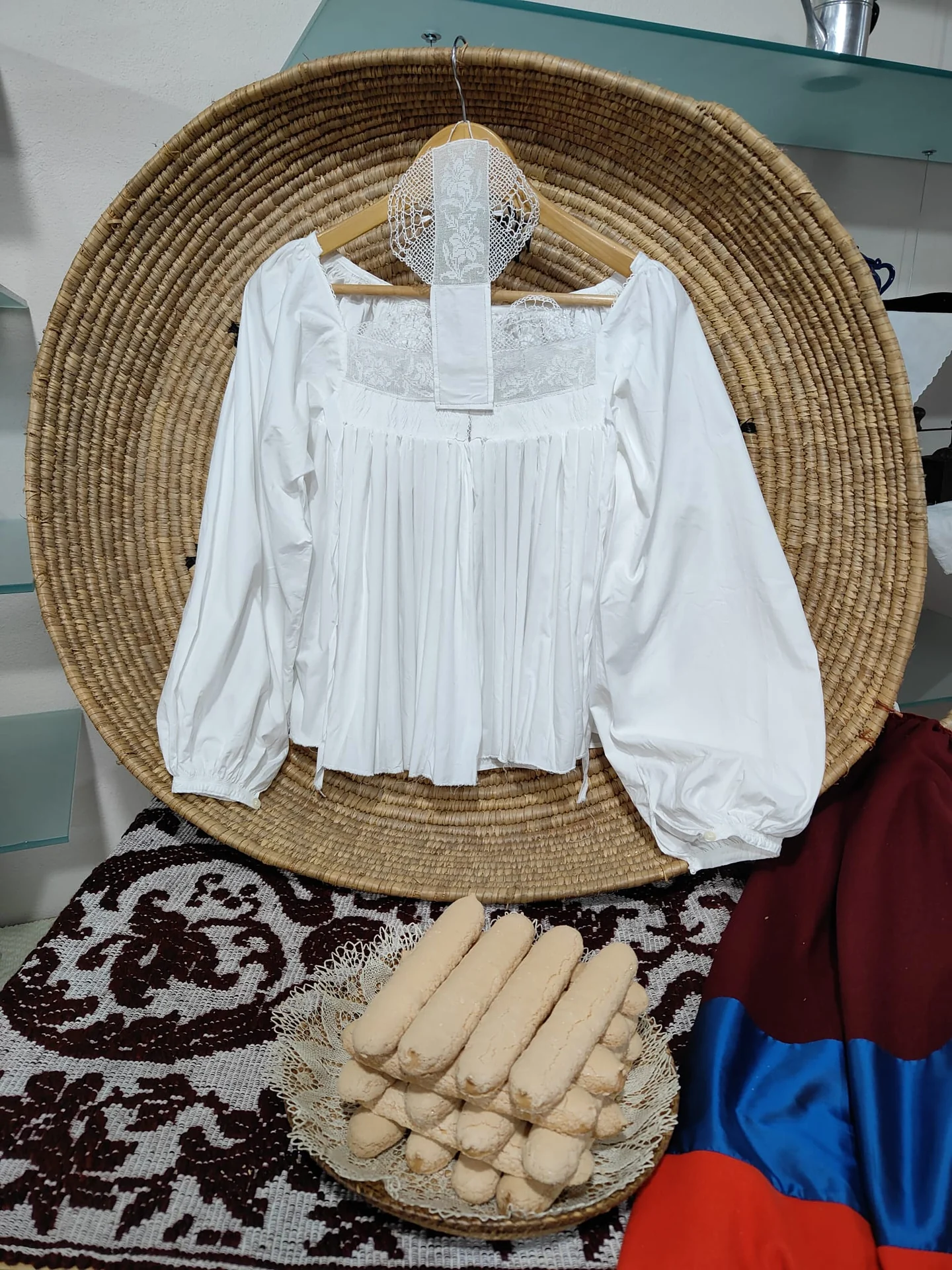
A rarity to see rather than to buy: in Orgosolo silkworms are still raised to obtain the silk for su lionzu, the fine band that frames women's faces in the traditional costume. Few visitors know that Barbagia has its own silk production chain.
The viseras (black) of the Mamuthones, carved in fine wood by the village's masters, and the white masks of the Issohadores are the symbol of the Barbagia Carnival. The Museum of Mediterranean Masks in Mamoiada displays them together with masks from other villages in central Sardinia and an early nineteenth-century Mamuthone: it's the essential stop before buying one.
Ottana, a Barbagia village on the Tirso plain at the foot of the hills of the Barbagia di Ollolai, has its own wooden masks with monstrous shapes: the Boes (the animals) and the Merdules (the hunters), who come out for the first time at the Sant'Antonio Abate bonfires in mid-January. Here, wood is still a living craft.
Our tip: an authentic mask is hand-carved, has gouge marks, a weight and a smell of wood that a resin copy will never have. Always ask who made it and in which village: the masks of Mamoiada and Ottana are not interchangeable.
Tonara isn't just nougat. It's the village of livestock cowbells, the sonaggias and the pittiolos, and every year, together with the nougat festival, it hosts the Campanaccio d'oro, a competition between master cowbell makers. Chestnut woodworking is another local tradition, and the village is also known for rugs and tapestries. A cowbell is a resonant, solid souvenir, impossible to mistake.
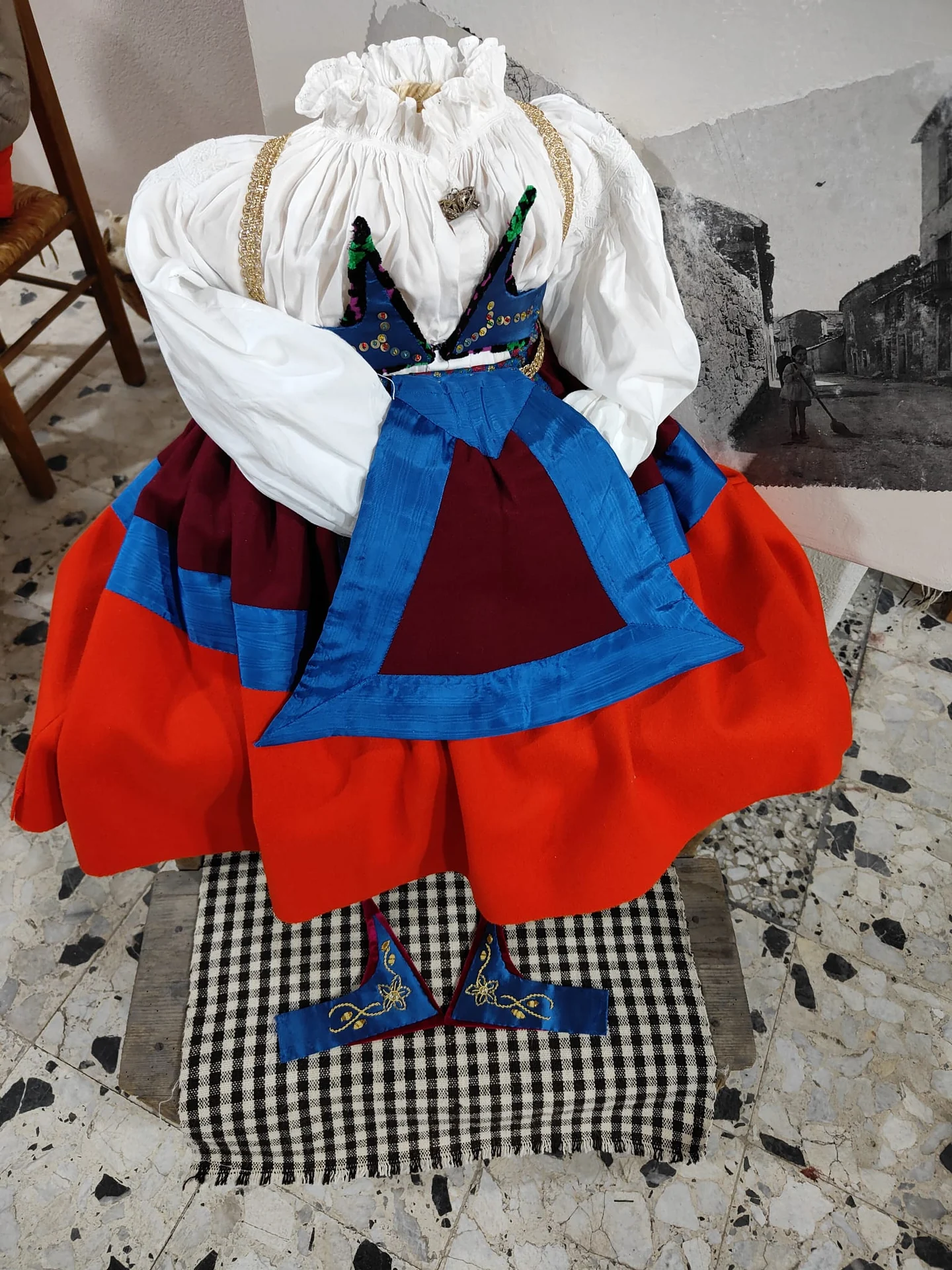
In Desulo, on the western slope of the Gennargentu, the Autunno in Barbagia stage showcases above all fine woodwork; the village is also famous for its red, blue and yellow costume. In Fonni, the highest village in Sardinia, some houses in the old quarters still keep their scandulas, old wooden roof tiles.
The asphodel that colours the countryside around Ollolai is the raw material for weaving done by the village women: light, sturdy, beautiful baskets. You'll see them at festivals and during Autunno in Barbagia.
In Dorgali, which Cala Gonone belongs to, the craft tradition can be summed up in three words: filigree jewellery, ceramics and rugs. Sardinian filigree is made from gold or silver threads twisted and soldered with tiny grains, beaten by hand. The best-loved piece is the Sardinian wedding ring (fede sarda), with its tiny spheres that recall grains of wheat, a wish for prosperity; alongside are the double-domed buttons that adorn traditional costumes.
For those staying in Cala Gonone, Dorgali is the “zero-kilometre” purchase: drive up to the village and back to the sea.
Let's set the record straight, because many guides get it wrong. The resolza pattadese, the island's most famous folding knife — steel blade, traditionally a horn handle — is made in Pattada, in eastern Logudoro, province of Sassari: not in Barbagia. There's a knife museum there and, every two years in August, the Knife Biennale.
In Barbagia, knife-making is mentioned, for example, in Seulo, which gives its name to the Barbagia di Seulo, along with rug weaving. If you're looking for a Sardinian knife during your trip to Barbagia, ask the craftsperson where and how the blade is forged: a real knife has a precise story.
| Dates | Villages | What to look out for |
|---|---|---|
| 28–29 November | Gadoni, Oniferi | The burra on a horizontal loom, woodwork |
| 6–8 December | Fonni | Wood, pastoral traditions |
| 12–13 December | Ortueri, Orune, Seulo | Orbace and cork, rugs and footwear, rugs and knives |
Each village's programme comes out close to the dates: check them on cuoredellasardegna.it.
A comfortable base is worth more than a hotel in the village. Our homes in Cala Gonone (a stone's throw from Dorgali) and in Siniscola / Santa Lucia stay open in autumn and let you head up to Nuoro, Mamoiada and Orune by day and return near the sea in the evening. Tell us what you want to see: we'll suggest the home best suited to your itinerary.
you save up to 15% by booking direct on affittasardegna.it: no intermediaries, only the people who have managed the home since 2011.
What is the most typical thing to buy in Barbagia?
The hand-woven rug, in particular the burra from Sarule, together with the wooden masks of Mamoiada and Ottana.
Is the Pattada knife from Barbagia?
No. It's made in Pattada, in eastern Logudoro (province of Sassari). In Barbagia, knife-making is mentioned, for example, in Seulo.
Where can you see Sardinian masks before buying them?
At the Museum of Mediterranean Masks in Mamoiada and at ISRE's Sardinian Ethnographic Museum in Nuoro.
Where is filigree found in Barbagia?
In Dorgali, the town Cala Gonone belongs to, known for filigree jewellery, ceramics and rugs.
How can I tell if a Sardinian rug is handmade?
Look at the back: slight irregularities, natural wool, motifs from the village of origin. And ask the craftsperson which loom was used and how long the work took.
Can I take a Sardinian knife on a plane?
Only in checked luggage, well packed. It isn't allowed in hand luggage; check your airline's rules anyway.
you save up to 15% by booking direct
Same home, better price and direct contact with people who know the area. Write to us or choose your home online.