
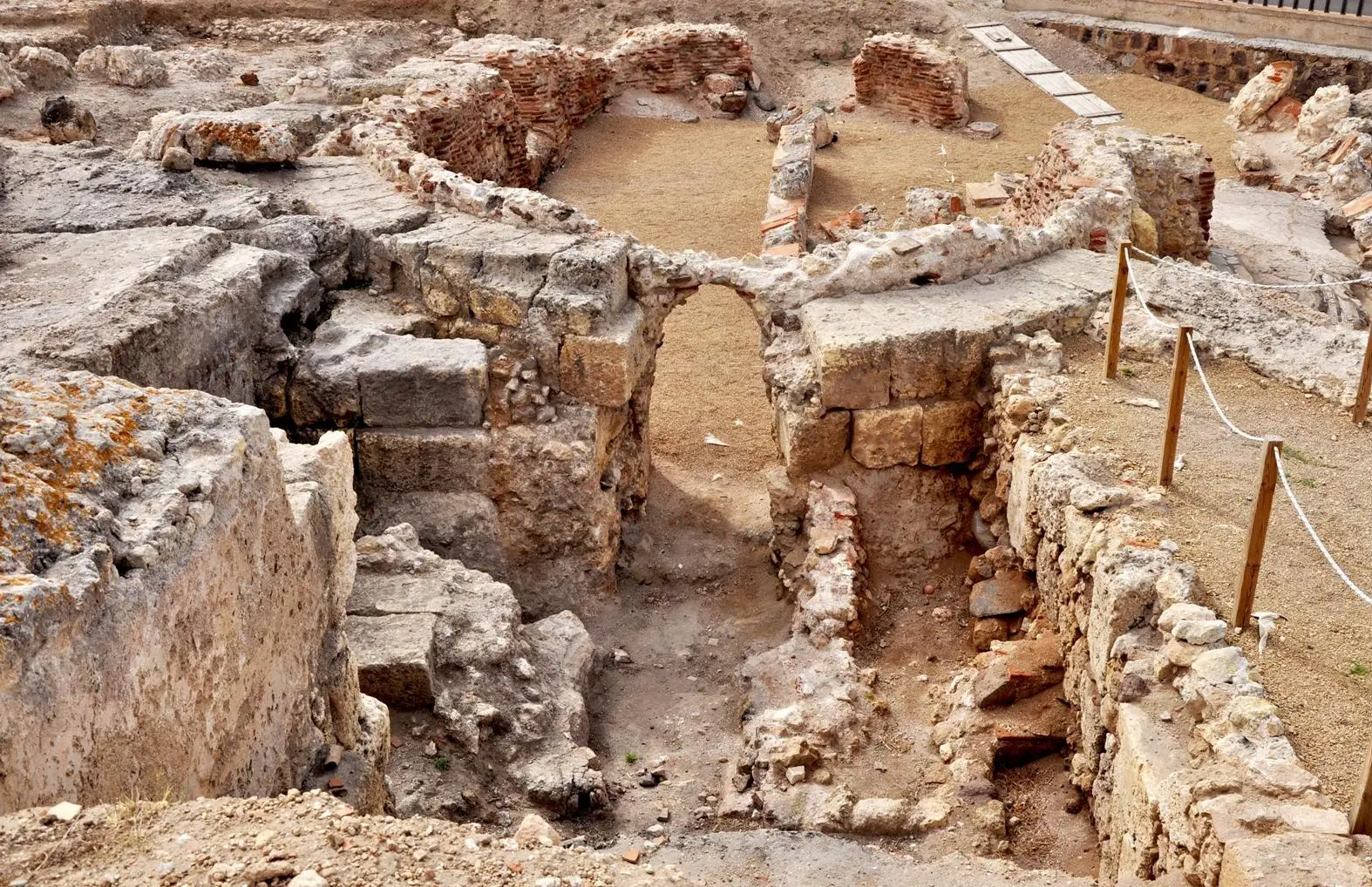
Porto Torres archaeological site: ancient Roman baths, Sardinia

Porto Torres archaeological site: ancient Roman baths, Sardinia

Holiday homes in Porto Torres

We have been managing holiday homes in North Sardinia since 2011. Book direct: best rate, genuine local support, zero commission.

View properties at Porto Torres →

🏛️ Museums and Culture — Porto Torres

Porto Torres: Turris Libisonis National Museum
and 2,000 Years of Roman History in Northern Sardinia

“Porto Torres is our city. We see it every day as a ferry port. But beneath our feet lies one of Sardinia’s largest Roman settlements — complete with thermal baths, a forum and mosaics. And very few people know about it.”

Turris Libisonis was the main Roman colony in northern Sardinia — a Roman trading port that was active from the 1st century BC. The thermal baths, the forum and the Roman bridge: they are all there, beneath Porto Torres. The modern town has grown up over the ancient one.

🏛️

2,000 years of Roman history — and hardly any tourists know it.
The Turris Libisonis Museum costs just a few euros. The Basilica of San Gavino is free. You can see everything in half a day — and you’re just 30 minutes from Stintino.

📌 Save this article: Turris Libisonis Museum · Basilica of San Gavino · Roman Baths · Roman Bridge
Porto Torres as a strategic framework: a comprehensive guide to destinations →

🏛️ Turris Libisonis — The Roman City

Porto Torres originated as Turris Libisonis, a Roman colony founded in the 1st century BC — the main commercial port of northern Sardinia. It exported grain, timber and minerals to Rome. The city had thermal baths, a forum, temples and a well-equipped harbour. Parts of all this are still visible — and the National Museum brings this history to life with a collection of exceptional importance.

Porto Torres is the most affordable base in the North-West — 30 minutes from Stintino, 35 minutes from Alghero and 40 minutes from Castelsardo. → See where to stay near the Roman sites

You’re walking on top of a 2,000-year-old Roman city.
In summer, the most popular sites get busy from early morning — it’s best to set off early, by 9.00 am.

🏛️ Turris Libisonis National Museum

The most important museum in Porto Torres — Roman artefacts from the colony of Turris Libisonis: mosaics, sculptures, coins, pottery and everyday objects. It traces 600 years of Roman history in Sardinia through the excavations of the ancient city. Admission fee applies.

⛪ Basilica of Saint Gavino

The largest Romanesque basilica in Sardinia, built between 1065 and 1111 on the ruins of an early Christian building. It houses the tombs of the Torres martyrs — Saint Gavino, Saint Proto and Saint Gianuario. Its Romanesque architecture is truly impressive.

🛁 Roman Baths of Palazzo

The remains of the Roman baths at Turris Libisonis, which can be visited in the centre of Porto Torres — mosaic floors, underfloor heating pipes (hypocaust), and baths. A direct insight into daily Roman life on the island.

🌉 Roman Bridge

The Roman bridge over the Rio Mannu is one of Sardinia’s best-preserved Roman structures — built in the 1st–2nd centuries AD, it is still partially standing. It can be reached on foot from the town centre, in a green park by the river.

🎓 Guided tours with a local guide
Some tour operators organise guided tours of the Roman ruins and the Basilica with specialist guides — providing historical context, anecdotes and details you won’t find on any information board.
→ Discover tours and experiences in northern Sardinia

❓ FAQ — Porto Torres Romana

What was Turris Libisonis?
Turris Libisonis was the main Roman colony in northern Sardinia, founded in the 1st century BC and active for around 600 years. It was an important trading port that exported wheat, timber, metals and Sardinian agricultural produce to Rome. The city possessed the characteristic features of Romanisation — a forum, thermal baths, an aqueduct and a well-equipped harbour. The remains of this city lie beneath and around the present-day Porto Torres, and the National Museum houses its most significant artefacts.

Is the Basilica of San Gavino worth a visit?
Absolutely — the Basilica of San Gavino is the largest Romanesque basilica in Sardinia and one of the island’s most important medieval monuments. Built between 1065 and 1111 by the Doria family of Pisa, it features a two-tone façade and a three-nave interior of great Romanesque simplicity. Inside are the tombs of the Torres martyrs from the 3rd century. It is open to the public and admission is free.

OUR SERVICES

Come for the stay, stay for the service

From listing your property to booking the ferry: with AffittaSardegna you have a single point of contact for everything.
Accommodation

More Articles